The St. Johns River Water Management District (District), Nassau County and the city of Atlantic Beach are committing to ongoing collaboration to protect and restore coastlines and tidal marshes in North Florida. Two recently initiated memorandums of agreement (MOAs), executed separately between the District and Nassau County and the District and the city of Atlantic Beach, provide an efficient and effective framework for partnering on coastal restoration efforts.
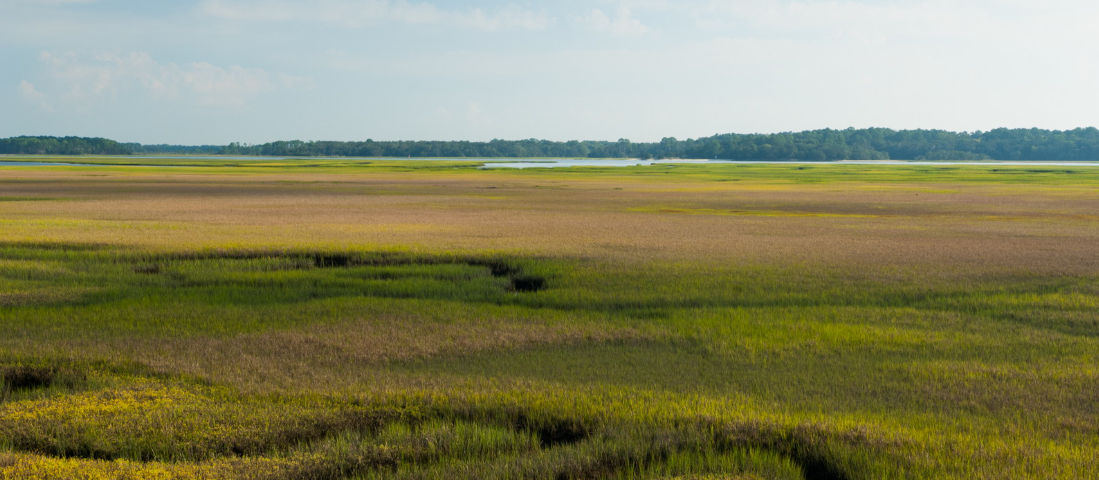
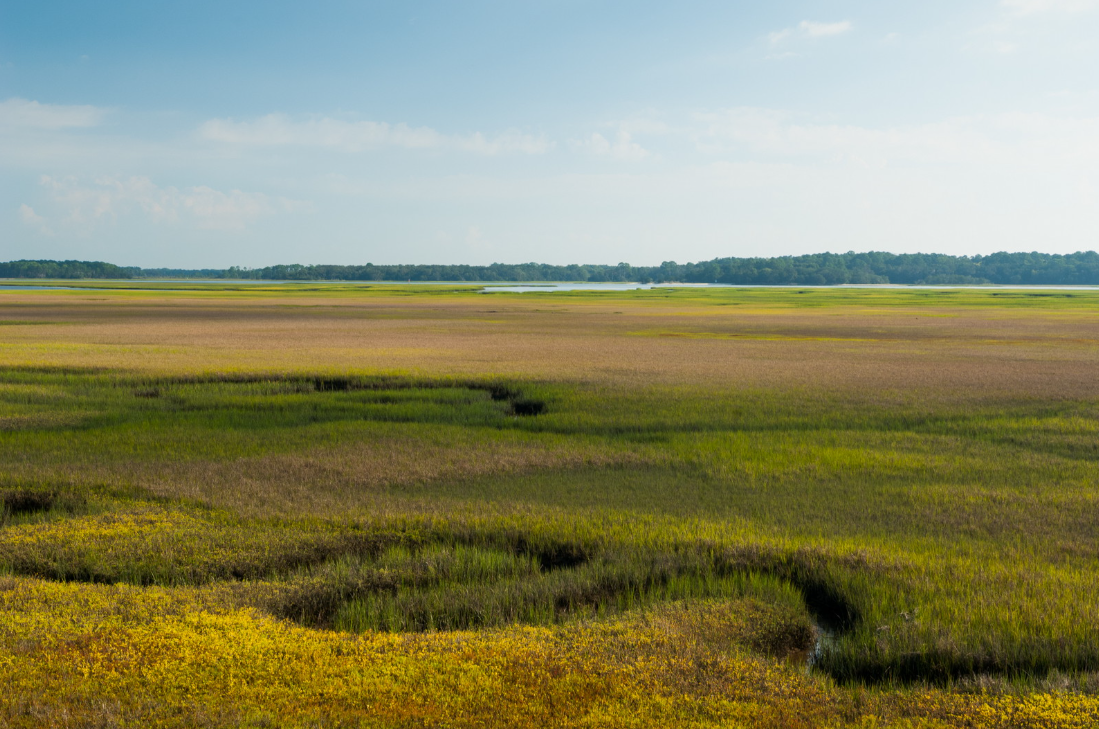
Approved by the District’s Governing Board on Aug. 11, Atlantic Beach on July 14, and Nassau County on Aug. 19, these MOAs cover a three-year period. Large-scale restoration projects incorporate multiple owners and jurisdictions with varied resources. By providing an umbrella agreement to facilitate long-term goals, these agreements support efficiency in the short-term. Once restored, coastal systems are generally self-sustaining, providing ecosystem services such as nurturing fisheries, improving water quality through capturing nutrients and sediments and dampening wave energy to reduce coastal erosion.
“These agreements reflect a shared commitment to coastal restoration and recognition of the benefits that these projects provide,” said District Executive Director Mike Register. “Collaboration magnifies the District’s efforts, resulting in resilient and sustainable coastal habitats that provide lasting environmental, economic and quality-of-life benefits for communities throughout the District.”
“Our coastal resources are an important part of what makes Nassau County such a special place to live, work and visit. By partnering with the St. Johns River Water Management District, we can bring our resources and expertise together to identify and advance projects that restore coastal habitats and build greater resilience in our community,” said Nassau County’s Board of County Commissioners Chair Alyson McCullough.
The District’s coastal restoration work began in the 1990s, and much of the work has been in the Indian River Lagoon. Efforts in the Northern Coastal Basin, the region that includes Nassau County and Atlantic Beach, build on the expertise gained through decades of coastal restoration.
“This partnership with the District gives Atlantic Beach a vital framework to protect our coastal natural assets. Between severe weather, boat traffic and sea level rise, our saltmarshes have faced steady erosion and habitat loss,” said Atlantic Beach City Manager Kevin Hogencamp.
Similar agreements are already in place. The District and Indian River County completed an MOA in January 2026; Brevard and St. Johns counties completed separate agreements in May 2026.
Coastal restoration efforts are increasingly important, and technology has made it more cost-effective. GPS is now integrated into the equipment used to restore disturbed wetlands and return marsh surfaces to appropriate heights, meaning the work is faster and more efficient. These restored wetlands are more resilient, naturally migrating to adapt to changing conditions. Restoration of oyster reefs and the installation of living shorelines protect shorelines from erosion, which is increasingly important with changing weather patterns.
As restoration techniques advance and are adopted, these partnerships can bring additional protection for North Florida’s coastlines.
For more information on the District’s coastal restoration efforts, visit www.sjrwmd.com/education/wetlands/coastal-wetlands-restoration.