While much of northeast and central Florida received welcome rainfall over the weekend, the St. Johns River Water Management District (District) is reminding residents, businesses and large water users that drought conditions remain severe and that a single rain event will not erase months of significant water deficits.
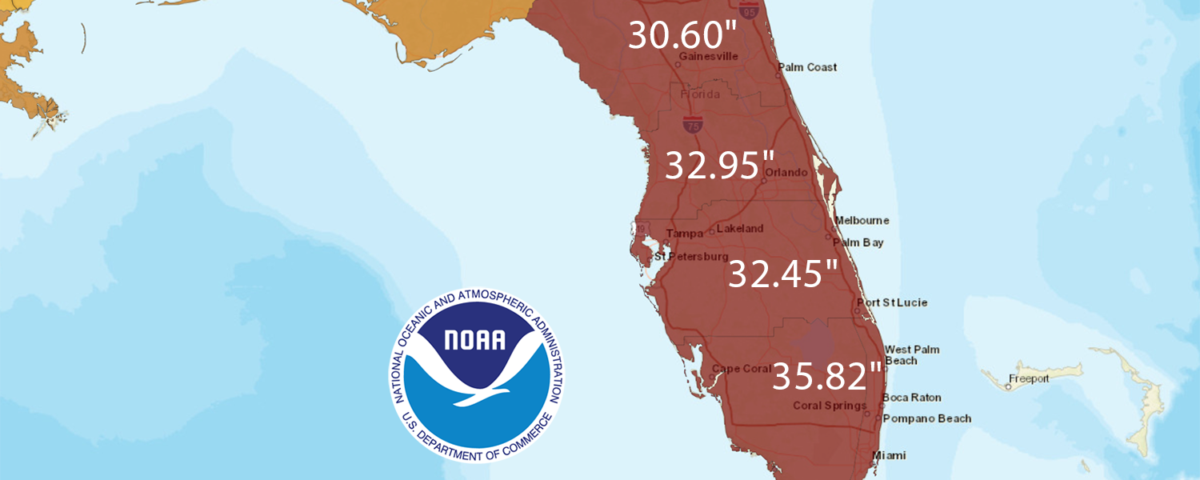
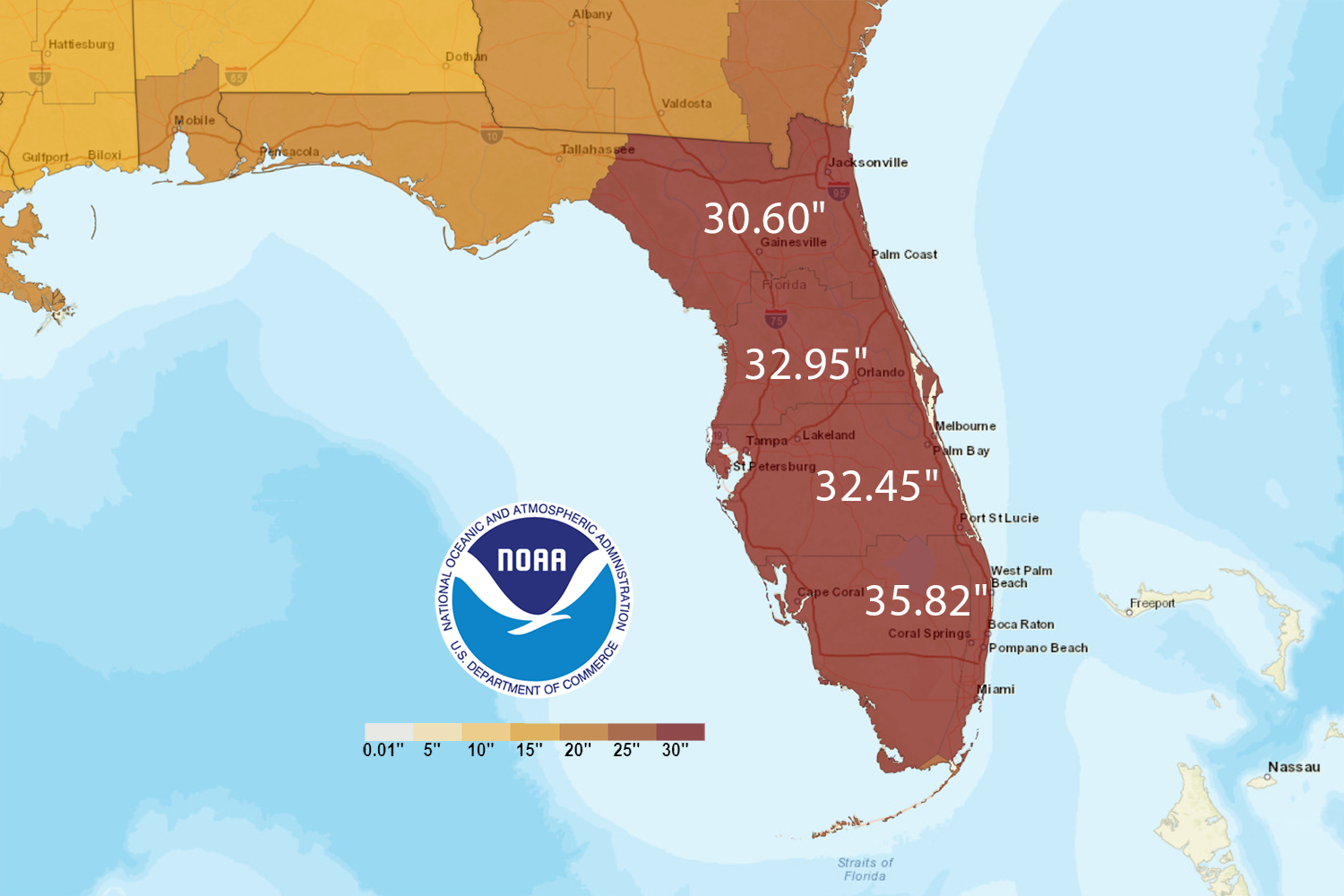
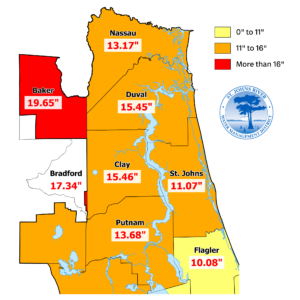
District staff monitoring drought indicators report that conditions continue to deteriorate despite scattered rainfall across most of the region. In northeast Florida, nearly 31 inches of rainfall over the next three months would be needed to eliminate current drought conditions.
“While the return of summer rainfall offers encouraging relief, it’s important to remember that recovery from an annual rainfall deficit of more than 20 inches will take time,” said St. Johns River Water Management District Director of Water Supply and Assessment Clay Coarsey. “Abiding by the mandatory and voluntary watering restrictions remains essential to protecting our water resources for the long term.”
The District declared a Phase III Extreme Water Shortage earlier this month in response to exceptional drought conditions, declining groundwater levels and reduced surface water flows. Mandatory restrictions remain in place throughout the affected areas, including:
- Residential, commercial and institutional properties are limited to one day per week of landscape irrigation.
- Landscape irrigation is prohibited between 8 a.m. and 6 p.m. daily.
- Commercial, industrial and institutional users must suspend certain non-essential water uses.
- Golf course fairway irrigation is limited to one day per week.
- Aesthetic water use, such as decorative fountains, is prohibited.
- Street and pressure washing activities face additional restrictions.
- Irrigation restrictions for new plantings, including sod, have been tightened.
Outdoor irrigation remains one of the greatest demands on potable water supplies, making conservation efforts especially important during extended dry periods.
Residents are encouraged to ensure irrigation timers are properly set so irrigation occurs only one day per week and only between 6 p.m. and 8 a.m. Irrigation systems should also be checked for leaks, and sprinklers should only water landscaped areas, not streets, sidewalks or driveways.
District staff continue to evaluate rainfall totals, aquifer levels, river flows and drought indicators to determine whether conditions warrant additional actions.
To view the complete water shortage order, including detailed requirements for each water use category and water conservation tips, visit sjrwmd.com/wateringrestrictions.
Please note, residents may occasionally see irrigation systems operating in public spaces such as parks, medians and common areas during the water shortage. In many cases, these systems use reclaimed water, which is a highly treated recycled water source that helps reduce demand on potable groundwater supplies. While conservation remains important across all water sources, some reclaimed water systems must continue operating to maintain system function or manage storage capacity.
To learn more about reclaimed water and its beneficial uses, visit https://floridadep.gov/water/domestic-wastewater/content/floridas-reuse-program.