

Recent rains help, but groundwater and rivers continue to recover
at
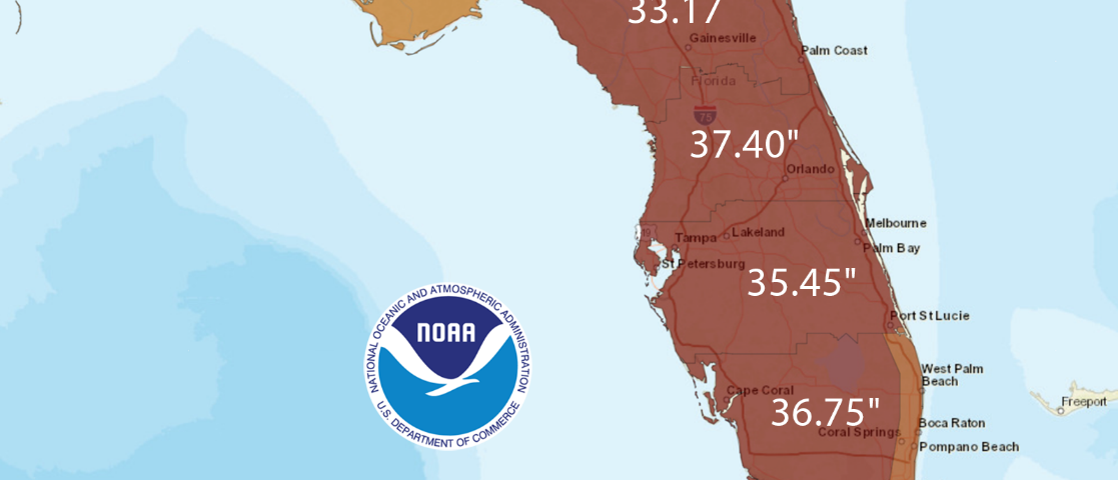
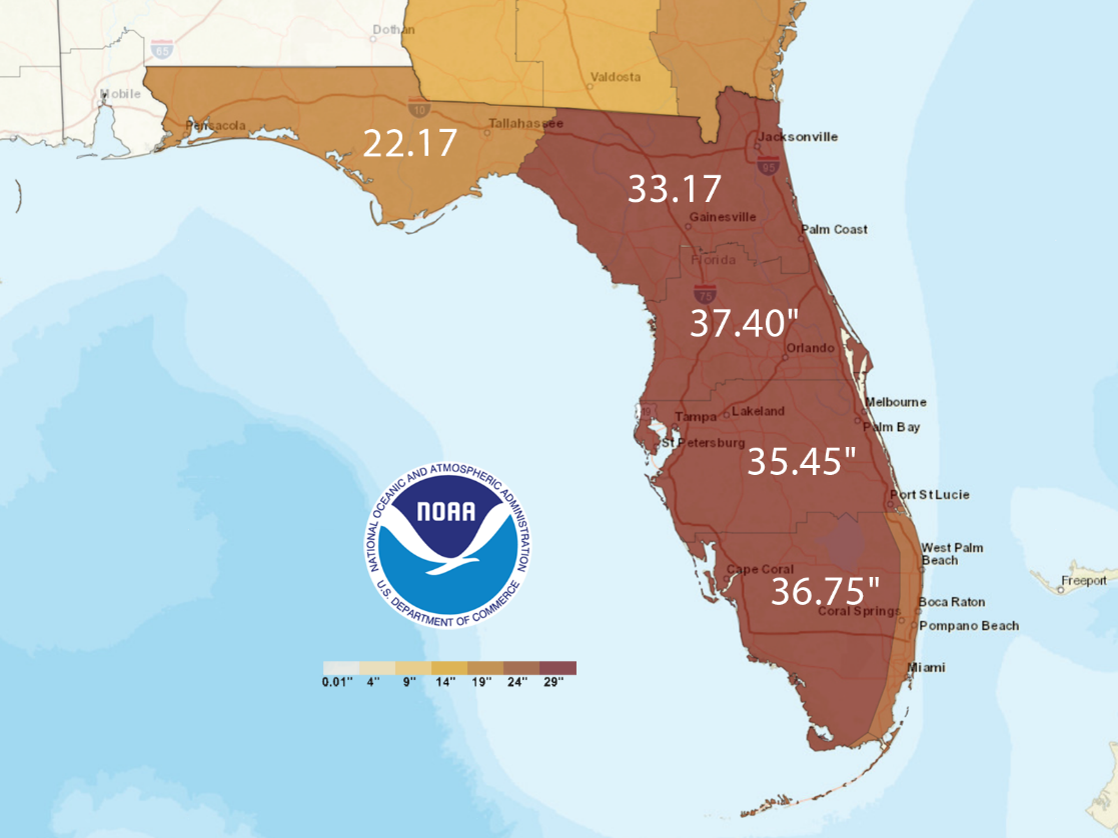
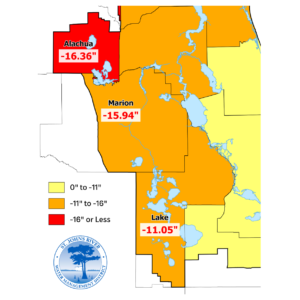
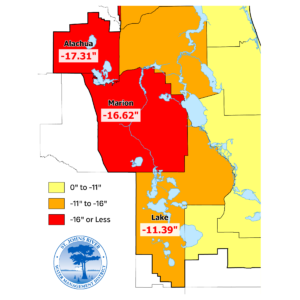
Although recent rainfall has provided relief and improved conditions in some areas, groundwater levels, river flows and other water supply indicators remain below normal. Districtwide rainfall deficits accumulated during the prolonged drought continue to affect water resources, and the aquifer has not yet recovered.
“Recent rainfall has been beneficial, and we are beginning to see some improvements in drought conditions,” said St. Johns River Water Management District Bureau Chief of Water Information Resources Tim Miller. “However, groundwater levels and surface waters respond slowly, even though rainfall amounts have increased. Continued conservation will help support recovery as our water resources rebound.”
The District’s Phase III Extreme Water Shortage declaration remains in effect. The declaration was issued in response to prolonged dry conditions, declining groundwater levels and reduced river flows.
Mandatory restrictions remain in place, including:
Outdoor irrigation continues to represent one of the greatest demands on potable water supplies. Residents are encouraged to verify that irrigation timers are set correctly to ensure that irrigation occurs only on their designated water day and only during allowable hours. Irrigation systems should also be checked for leaks, and sprinklers should only water landscaped areas, not streets, sidewalks or driveways.
District staff continue to evaluate rainfall totals, aquifer levels, river flows and drought indicators to evaluate the effectiveness of current conservation measures. While recent rains have improved conditions across portions of the District, continued conservation efforts will help support the recovery of groundwater supplies and surface waters in the weeks ahead.
To view the complete water shortage order, including detailed requirements for each water use category and water conservation tips, visit sjrwmd.com/wateringrestrictions.
Please note, residents may occasionally see irrigation systems operating in public spaces such as parks, medians and common areas during the water shortage. In many cases, these systems use reclaimed water, which is a highly treated recycled water source that helps reduce demand on potable groundwater supplies. While conservation remains important across all water sources, some reclaimed water systems must continue operating to maintain system function or manage storage capacity.
To learn more about reclaimed water and its beneficial uses, visit https://floridadep.gov/water/domestic-wastewater/content/floridas-reuse-program.