

District expands scientific monitoring of Florida springs
at
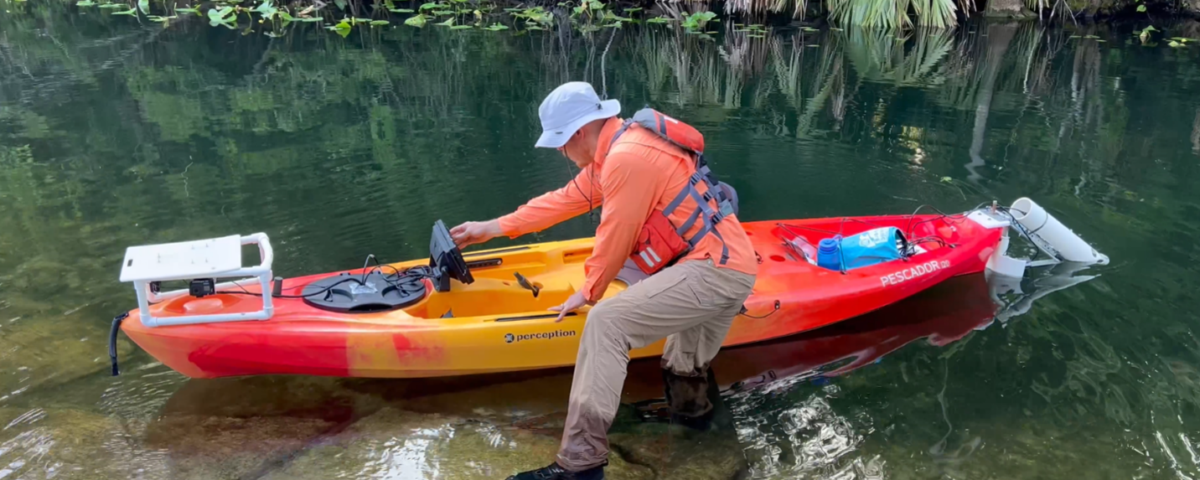
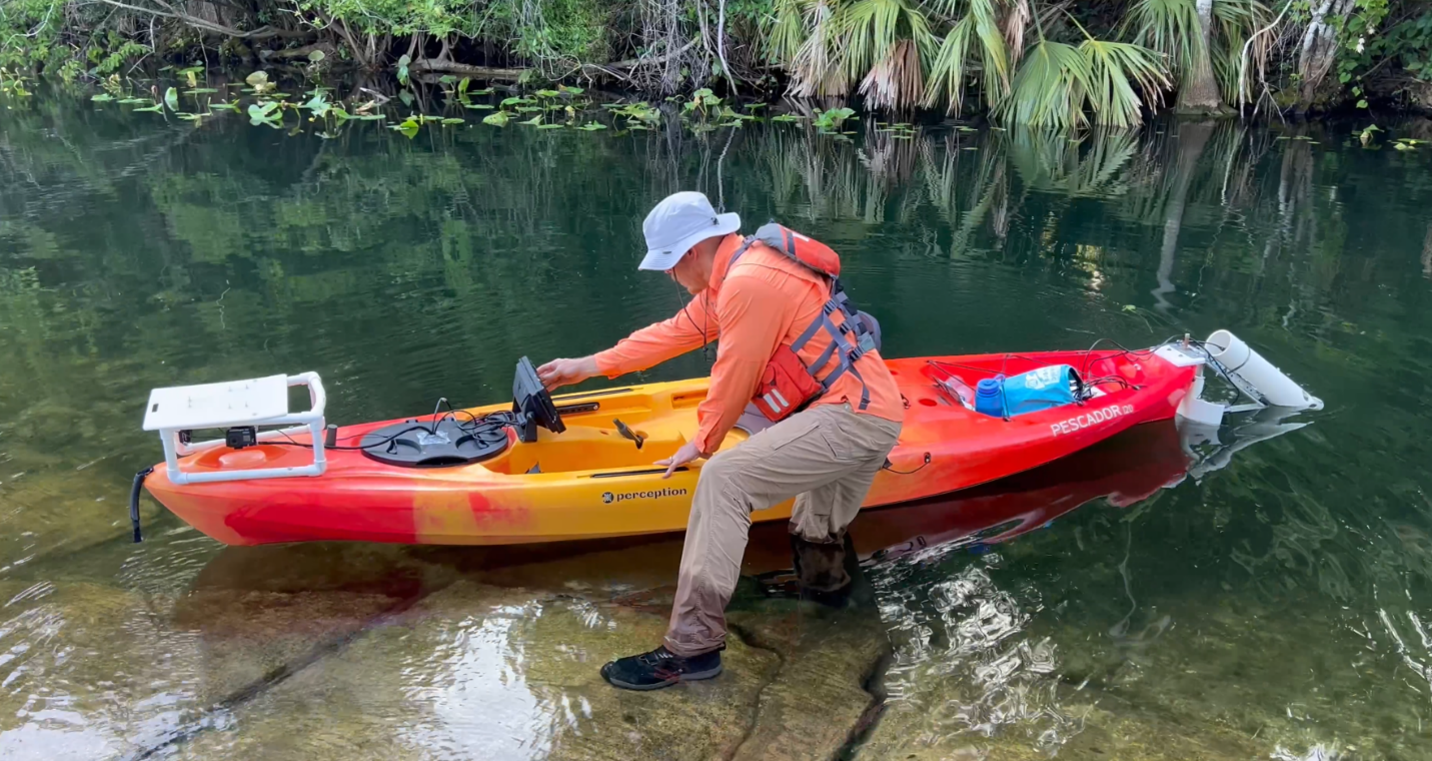


The Governing Board approved a contract with Trutta Environmental Solutions LLC to map and monitor springs and their spring runs at eight springs across the District, including Alexander, Blue, Juniper, Rock, Salt, Silver, Silver Glen and Wekiwa springs.
Using a specialized survey boat equipped with above-and-below water cameras, high-resolution global positioning system (GPS), sonar and water quality monitoring instrumentation, scientists will collect detailed information about spring and spring run conditions. The system records underwater channel bottom depths and substrate hardness, water quality, aquatic vegetation and other environmental characteristics, establishing a valuable baseline for future monitoring and helping scientists better evaluate long-term trends, habitat conditions and water quality. These insights will help guide future management decisions to protect these iconic Florida springs for wildlife and people who depend on them.
“Florida’s springs are among our state’s most treasured natural resources,” said St. Johns River Water Management District Executive Director Mike Register. “By collecting consistent, high-quality scientific data, we can better understand these systems, identify changes as they occur and make informed decisions to help protect them for future generations.”
There are 148 springs across the District’s 18-county region. The District has partnered with local governments and utilities to fund 180 springs projects, investing over $71 million to help protect these important natural resources. Collectively, these projects conserve approximately 60 million gallons of water per day (mgd), reduce nitrogen by more than 434,652 pounds per year and reduce phosphorus by more than 152,654 pounds per year.
To find additional information about the springs of the District, please visit www.sjrwmd.com/waterways/springs.