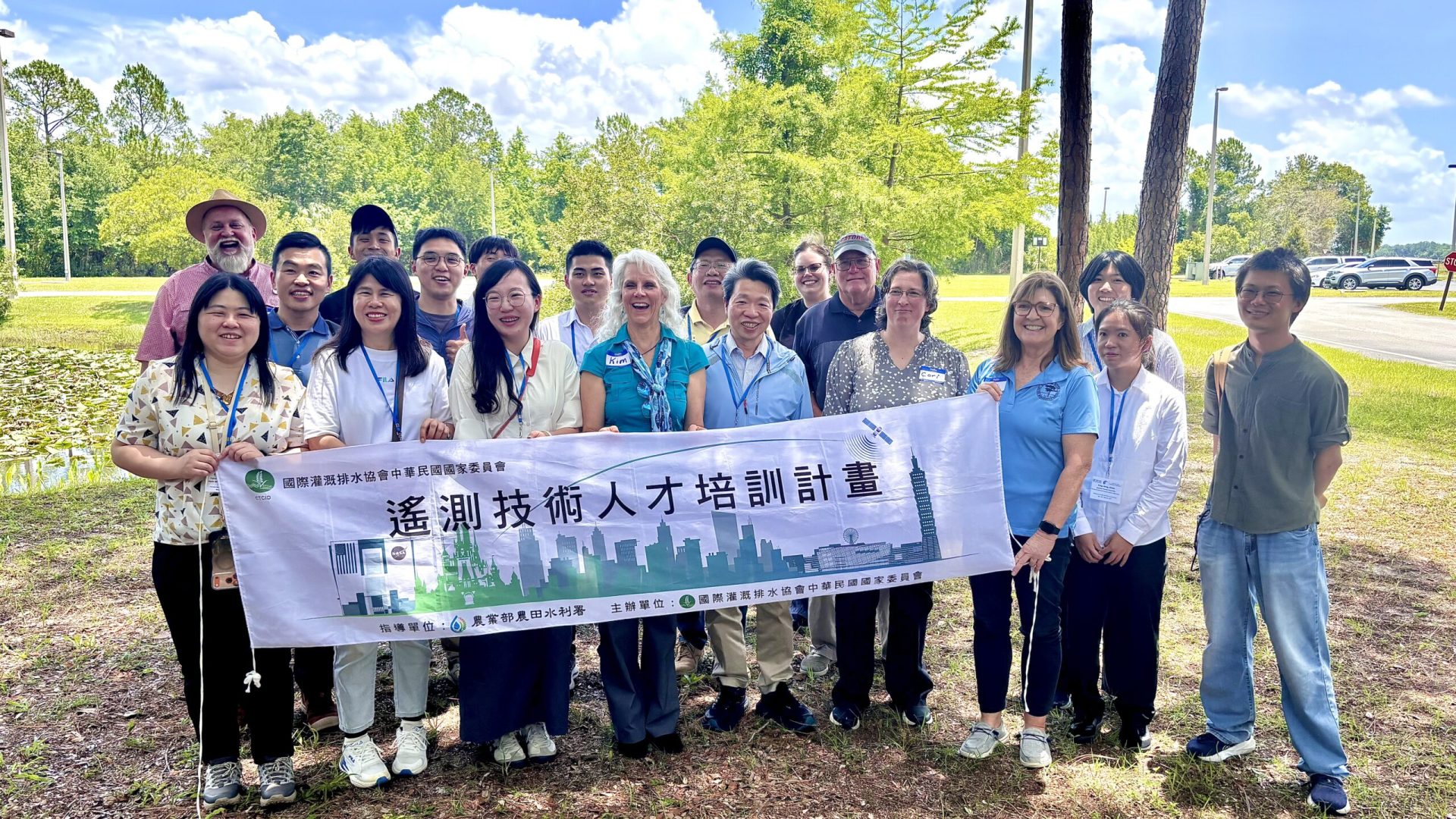
A delegation from Taiwan visited the St. Johns River Water Management District (District) headquarters in Palatka for a professional exchange focused on water conservation, basin management, remote sensing, and sustainable resource management. Delegates and District employees continued a decades-long collaboration between Florida and Taiwan focused on shared water resource challenges.
The delegation included representatives from engineering, agriculture, irrigation and water resources, spanning government, academic, and nonprofit sectors. Participants contribute to global working groups and apply multidisciplinary approaches to addressing water management challenges in their respective regions.
Although separated by geography, Florida and Taiwan share similar climate characteristics, including humid subtropical to tropical conditions, intense seasonal rainfall, and vulnerability to major storm events such as hurricanes and typhoons. These parallels provide a strong foundation for collaboration on resilience, flood management, and long-term water resource planning.
“When we bring together partners from different regions, we create opportunities to learn from one another and strengthen how we approach shared water challenges,” said Kimberli Ponzio, environmental scientist V at the District. “This long-standing exchange with Taiwan continues to provide practical insight to support better outcomes for water resources on both sides.”
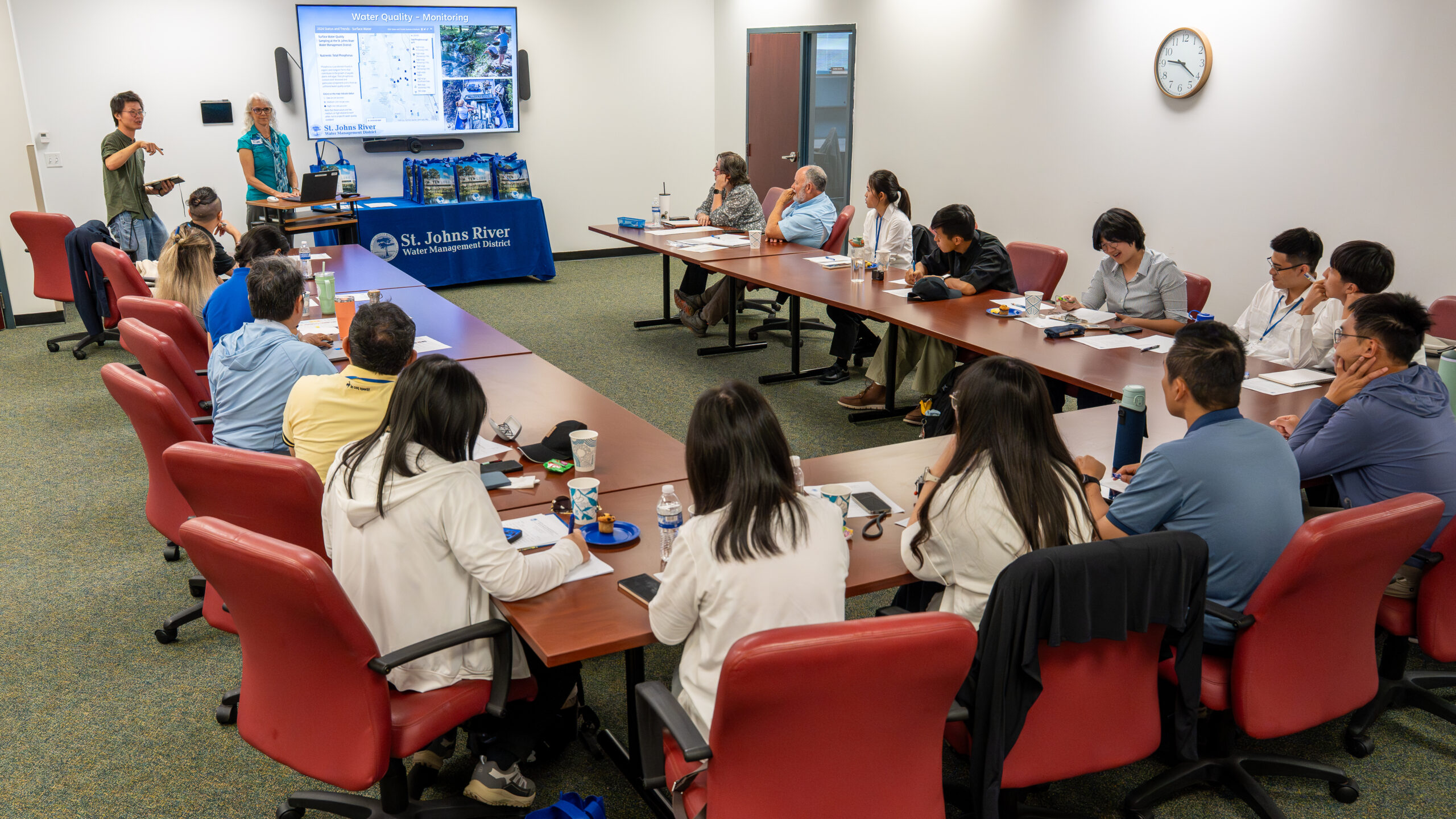
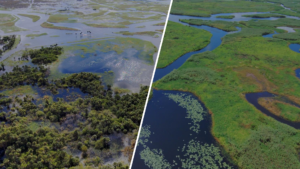
During the visit, the delegation participated in a program featuring presentations from District staff concerning integrated water resource management. Topics included an overview of District programs about basin-level management approaches, agricultural best management practices and cost-share funding, water conservation strategies, and applications of data visualization, remote sensing, and machine learning for plant community mapping. Additional presentations highlighted the ecological recovery of Lake Apopka and commercial fisheries management.
The program concluded with a Q&A session that encouraged dialogue on shared challenges and innovative approaches to water management. Following the District portion of the visit, the delegation continued its program at the University of Florida and visited the Sweetwater Wetlands Park in Gainesville.
The exchange reflects an ongoing commitment to international collaboration and knowledge sharing in water resource management, with a focus on science-based solutions to complex environmental challenges.