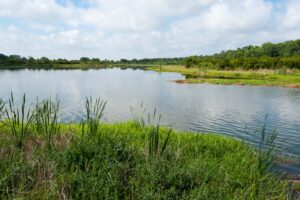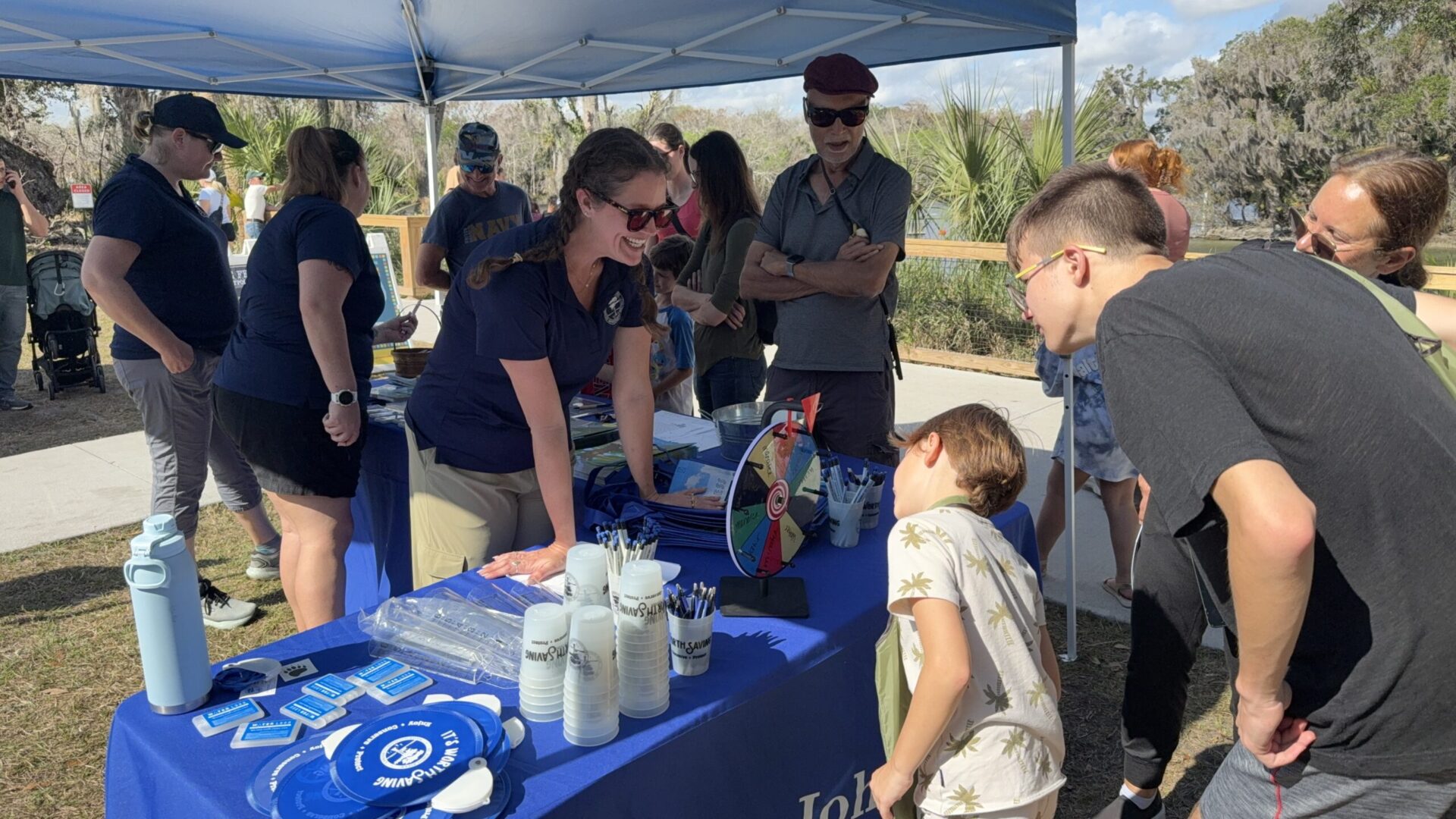
The St. Johns River Water Management District’s Middle Basin is home to scenic lakes, meandering rivers and seven Outstanding Florida Springs. One of those springs, De Leon Springs in Volusia County, is a place where myth, history and natural beauty come together, drawing visitors for centuries and supported by ongoing efforts to protect the water and surrounding lands.
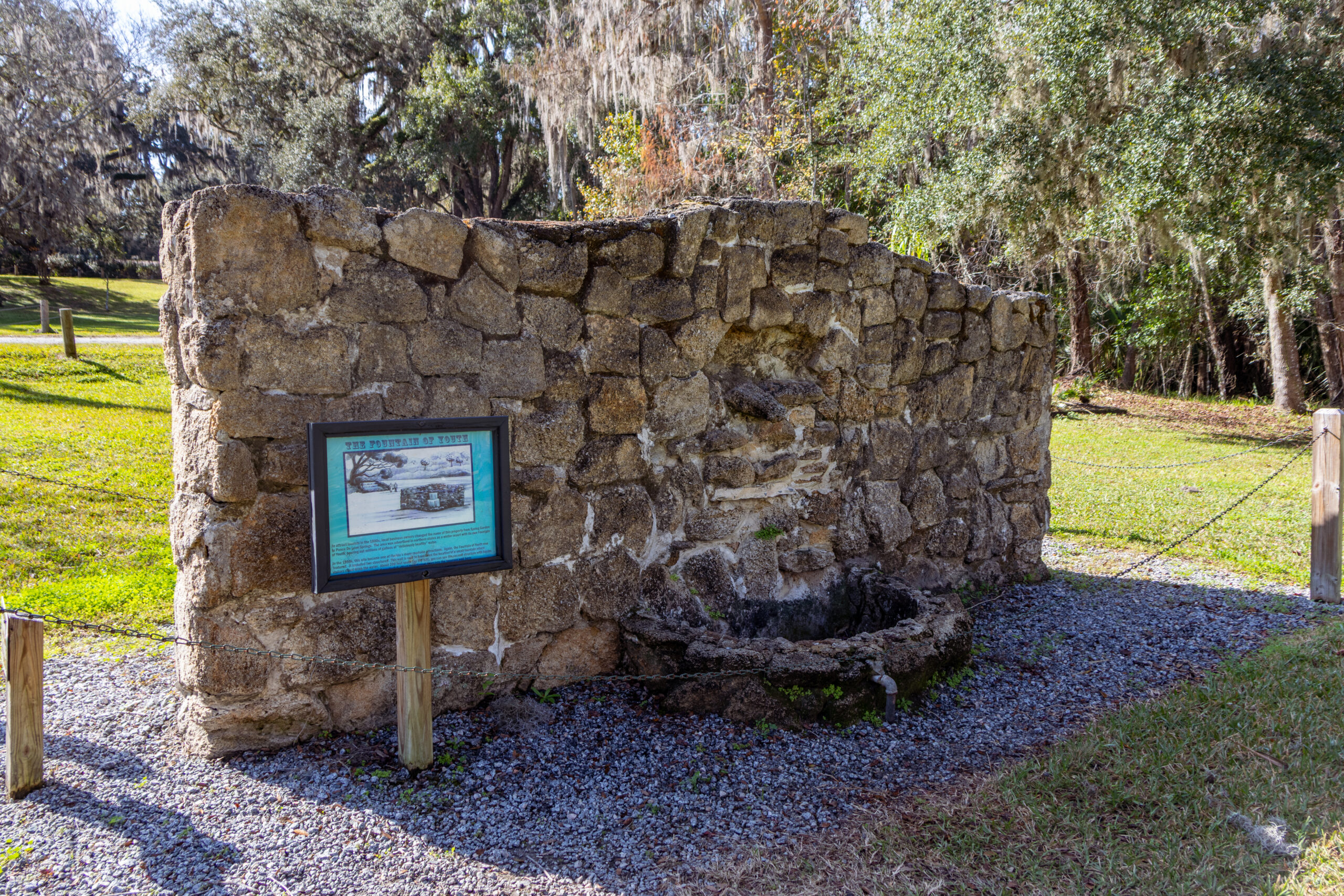
Long associated with the legendary Fountain of Youth and Spanish explorer Juan Ponce de León, De Leon Springs has captured imaginations for generations. Visitors can explore this lore at De Leon Springs State Park, where a statue and historical markers highlight the site’s storied past. Historians now agree, however, that Ponce de León never traveled far enough inland to reach the springs, making the Fountain of Youth connection a fun tale rather than fact. Other explorers, however, did come close.
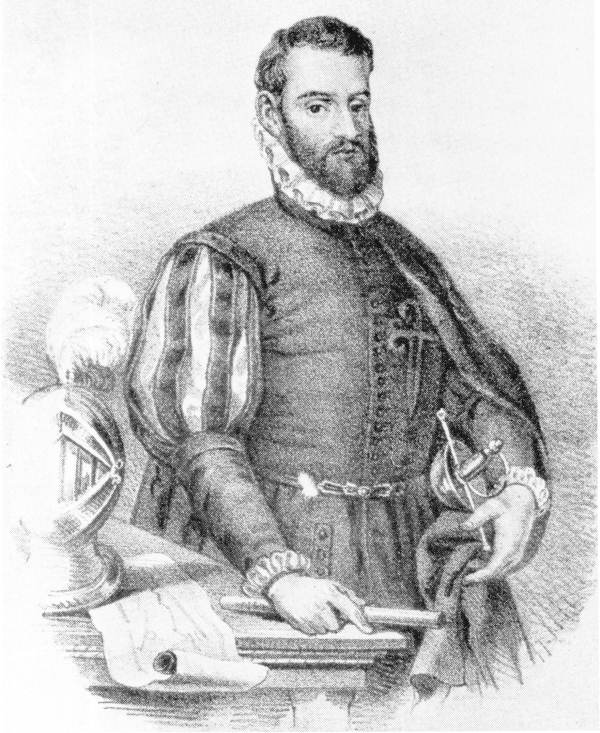
Drawing of Pedro Menendez de Aviles
In 1566, Pedro Menéndez de Avilés, adelantado of Florida and founder of St. Augustine, led an expedition up the St. Johns River and reached within about 10 miles of De Leon Springs. Menéndez hoped the river would connect to Lake Okeechobee, but after a confrontation with the local Mayaca tribe, who made their home in the area 8,000 years ago, the expedition ultimately turned back.

Booklet advertising Ponce de Leon Springs in Volusia County to tourists and potential home buyers.
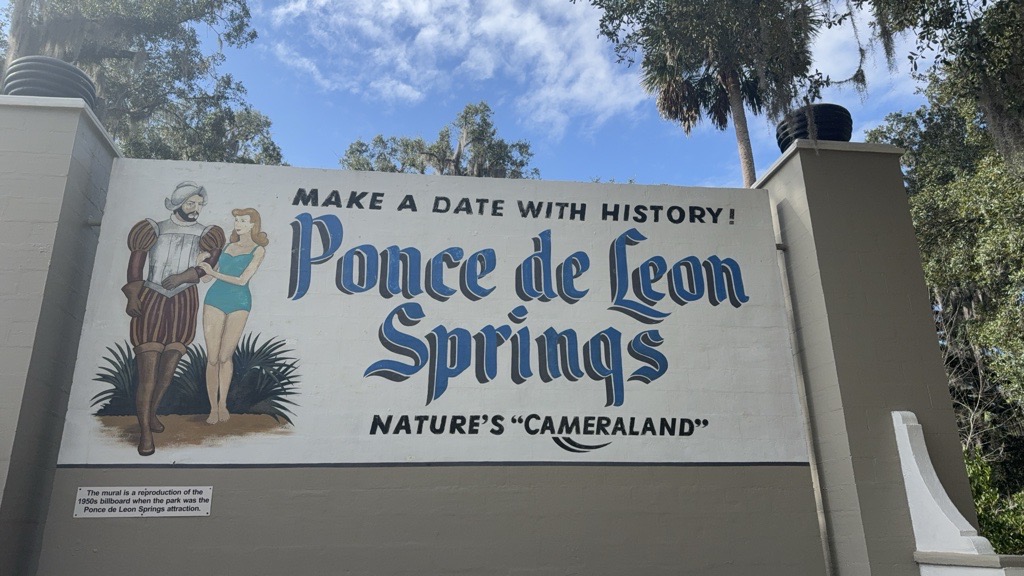
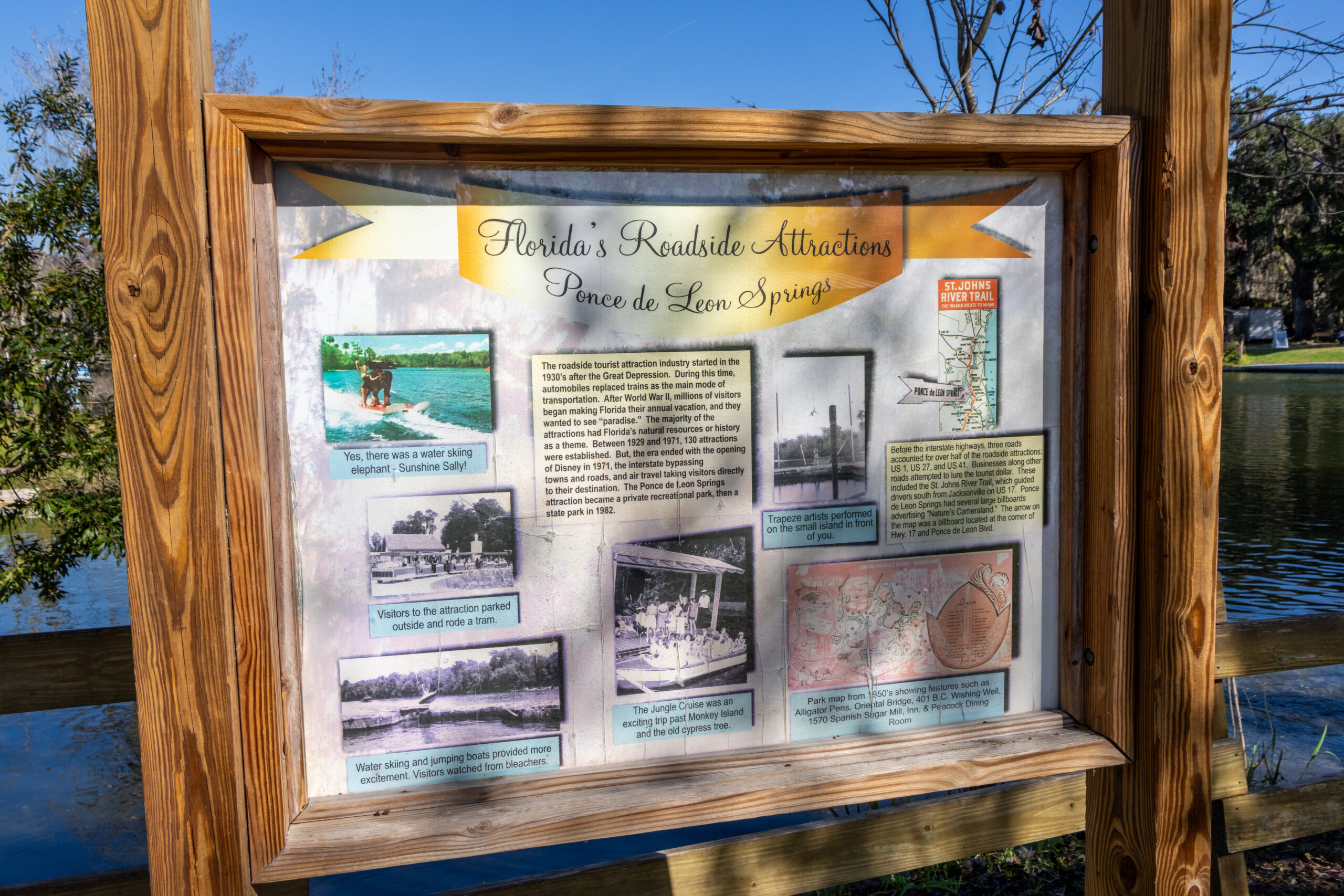
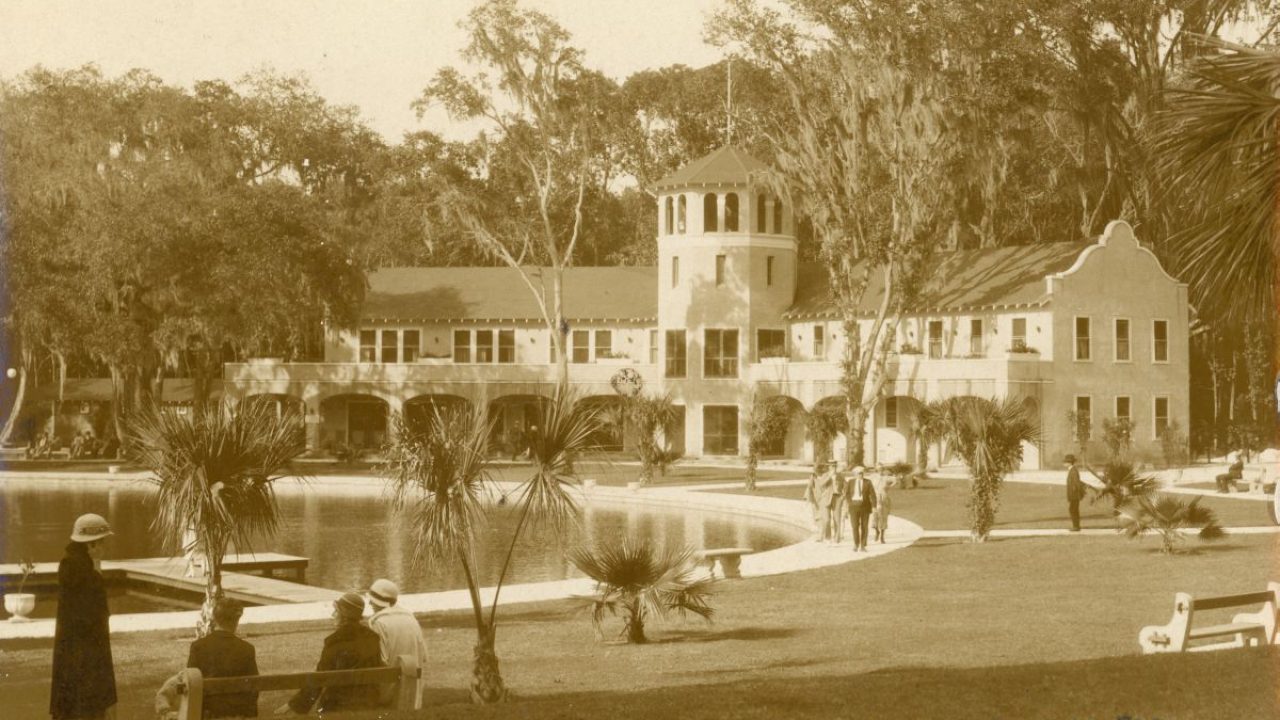
Centuries later, in 1872, Major George Norris of New York purchased land near the springs, built a hotel, established an orange grove, and rebuilt a sugar mill that had been destroyed in the 1860s. The area was heavily advertised to Northerners, and around the same time a post office named De Leon Springs was established, marking the beginning of efforts to link the springs to Ponce de León’s famous Fountain of Youth. The hotel eventually closed, and in the 1950s the site became a roadside attraction complete with a zoo, jungle cruise and even water-skiing elephants. When tourism declined, the attraction closed, and in 1982 De Leon Springs officially became part of Florida’s state park system.
Today, visitors are drawn to De Leon Springs for its cool, clear water and outdoor recreation. The Old Sugar Mill is now a popular pancake house where visitors cook their own breakfast at the table. While De Leon Springs State Park is managed by Florida State Parks, the St. Johns River Water Management District manages nearby Heart Island Conservation Area, helping protect surrounding lands and waters associated with the spring system and providing additional opportunities for hiking, wildlife viewing and paddling.
De Leon Springs may not be the Fountain of Youth, but it remains a powerful reminder of Florida’s deep history and the importance of protecting the springs and water resources that have inspired curiosity, recreation and connection for centuries.
History and photos are courtesy of Florida Memory. (2019, August 8). The Fountain of Youth. Floridiana. Retrieved from https://www.floridamemory.com/items/show/342062