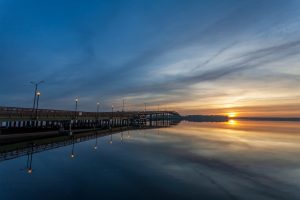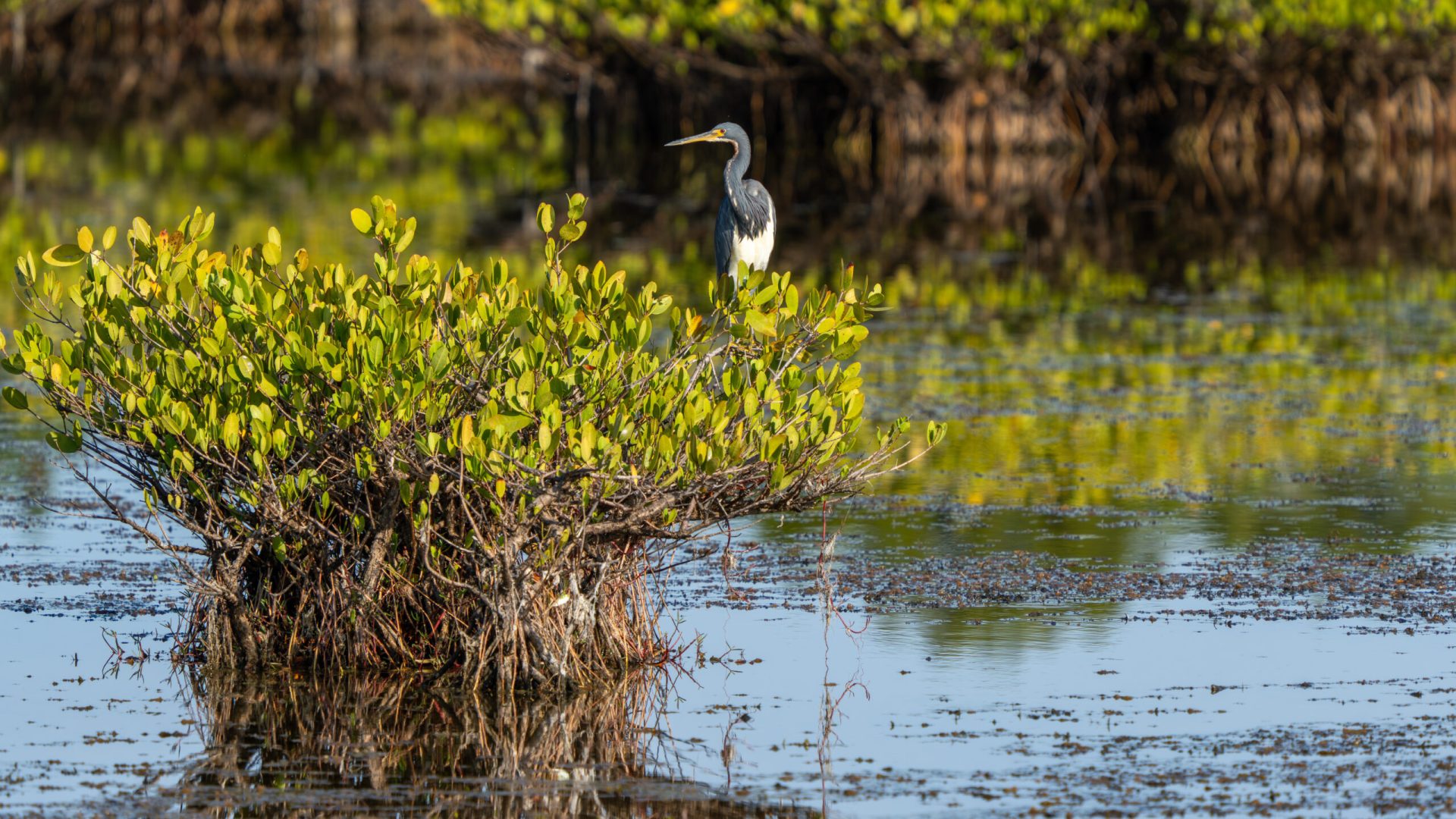
In east-central Florida, the Indian River Lagoon is one of the most biologically diverse estuaries in North America and an integral part of the region’s identity. Stretching 156 miles along Florida’s east coast, the lagoon supports more than 4,000 species of plants and animals while serving as an economic engine by supporting boating, fishing, ecotourism and other outdoor recreation activities.
Protecting a system as large and complex as the Indian River Lagoon requires a long-term, science-based approach. Each year, scientists with the St. Johns River Water Management District (District) monitor water quality across the lagoon, collecting data on nutrients, dissolved oxygen, salinity, chlorophyll and other key indicators. This long-term monitoring helps scientists identify trends, evaluate ecosystem health and measure the effectiveness of restoration efforts over time.
The science collected through long-term monitoring helps inform decisions and guide investments in projects that improve water quality throughout the lagoon. Working alongside local, state and federal partners, the District supports and helps advance initiatives such as diversion and flow restoration projects that redirect nutrient-rich freshwater away from the lagoon and into created wetlands which remove nutrients before the water is returned to the St. Johns River. Additional restoration efforts, including stormwater treatment areas, wetland restoration and muck removal projects, help reduce excess nutrients, improve water clarity and restore the lagoon’s natural communities.
These improvements are creating the conditions needed for one of the lagoon’s most important resources to recover: seagrass.
Recent seagrass monitoring data documented approximately 17,042 hectares of seagrass throughout the Indian River Lagoon in 2025; an increase of more than 7,000 hectares since 2023. Scientists also observed increases in average seagrass cover and transect lengths, providing signs that water quality is improving across much of the lagoon.
Often called the foundation of a healthy estuary, seagrass produces oxygen, stabilizes sediments, cycles nutrients, improves water clarity and provides food and shelter for fish, shrimp, crabs, manatees and countless other species. Its recovery is one of the clearest indicators that improving water quality and restoring more natural hydrology are aiding the lagoon’s ecosystem.
National Estuaries Week provides an opportunity to celebrate that progress while recognizing the work that continues ahead. Every water quality sample collected, water quality restoration project completed and acre of habitat restored contributes to a healthier lagoon.
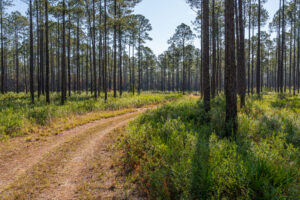
Area visitors can travel under a canopy of live oaks, pass swamp and scrub and stop to take in the scenic vistas along the way. A network of trails extends nearly six miles to Murat’s point, where an overlook provides sweeping views of the marsh. Eat lunch at the picnic area while watching the tide change. These daily fluctuations in water levels and salinity help fuel the marsh ecosystem, bringing nutrients to support the plants and animals of the marsh.
The opportunity to experience an intact tidal marsh in North Florida is something to be treasured. Among the most unique and productive ecosystems in the world, tidal marshes sequester and store carbon at a rate ten times greater than mature tropical forests. Tidal marshes filter out pollutants and protect communities during storms by absorbing floodwater and dampening storm surge, and they support fisheries by serving as a nursery for many marine species. These vital landscapes are not only beautiful, they are an essential part of Florida’s environmental health, recreation and resilience.
Whether you choose to hike, bike, ride horseback or camp, Moses Creek Conservation Area offers an unforgettable outdoor experience just minutes from St. Augustine. Every visit will be different, offering a chance to connect with Florida’s wild places and remarkable natural landscapes.
Find trail maps and more information about visiting Moses Creek at www.sjrwmd.com/lands/recreation/moses-creek/