A key component of the program is the addition of the Strategic Planning Basin Coordinators. These staff members are responsible for leading planning efforts within their assigned basin, helping identify priorities, develop basin objectives and coordinate projects that support restoration and water resource protection.
Basin coordinators work across District divisions to develop work plans, project scopes, budgets and schedules that support basin priorities. They also help guide project selection and prioritization, ensuring efforts align with the District’s long-term goals for water quality improvement, flood protection and natural system restoration.
In addition to coordinating internal resources, basin coordinators also support internal communication and collaboration across District divisions while serving as a key point of contact with local governments, community partners, stakeholders, District leadership and the Governing Board. Their role includes presenting basin priorities, facilitating collaboration and helping ensure that both internal expertise and regional perspectives are incorporated into planning and project development.
As part of this effort, the District is developing basin plans that identify priorities, projects and strategies for each region. The draft 2026 Indian River Lagoon and Upper St. Johns River Basin Plan is the first plan developed under the Basin Management Program and is currently available for public review and comment.
The draft plan outlines projects and initiatives aimed at improving water quality, supporting ecosystem restoration and guiding water resource management across both basins. Because the Upper St. Johns River Basin and the Indian River Lagoon are closely connected systems, restoration efforts within one can play an important role in improving conditions within the other.
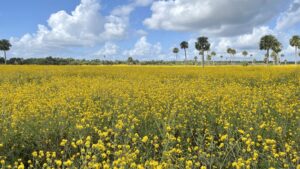
In the Upper St. Johns River Basin, restoration efforts include large-scale wetland restoration projects that help restore natural floodplain functions, improve wildlife habitat and reduce harmful freshwater discharges that can impact the Indian River Lagoon. These projects also support regional flood protection and water supply.
Many of the strategies included in basin plans align with established water quality restoration frameworks such as Total Maximum Daily Loads (TMDLs), Pollutant Load Reduction Goals (PLRGs) and the Florida Department of Environmental Protection’s Basin Management Action Plans (BMAPs). These tools help set pollution reduction targets and coordinate restoration projects among local, state and regional partners.
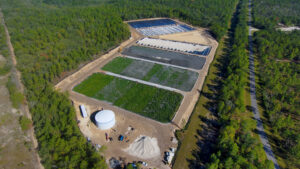
Additional efforts include stormwater retrofit projects for older developed areas, infrastructure improvements to enhance flood protection and restoration initiatives that improve natural floodplain management.
The District’s three remaining strategic basins are slated to go through a similar planning and public engagement process throughout the coming year.
Residents, community partners and interested stakeholders are encouraged to review the draft Indian River Lagoon and Upper St. Johns River Basin plan and submit comments before March 18, 2026. The draft document and an online public comment form are available at sjrwmd.com/documents/plans/#basin-plans.