

With more than 370 bird species spotted on the property, the North Shore is one of Florida’s birding hotspots. On any given visit, you might spot osprey, anhinga, great blue heron, bald eagle, red-winged blackbird, red-shouldered hawk or snowy egret. The area’s rich biodiversity draws enthusiasts from across the state for annual events like the North Shore Birding Festival and the Christmas Bird Count.
The 11-mile Wildlife Drive (open for vehicles Fridays, Saturdays, Sundays and federal holidays) is a favorite for visitors, welcoming more than 180,000 people annually. The route travels through restored wetlands, offering close-up views of wading birds, ducks, alligators and other wildlife, all from the comfort of your car.
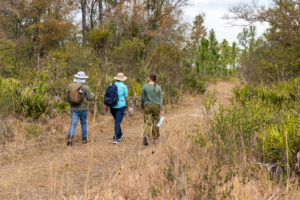
For those looking to explore beyond the drive, the Lake Apopka Loop Trail offers 17 miles of scenic hiking, biking and horseback riding along the northern edge of the lake. Starting in the wetlands on the east side and stretching to the uplands on the west, the trail immerses visitors in diverse ecosystems.
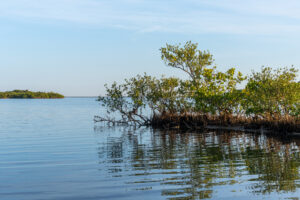
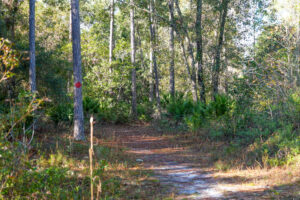
Along the Clay Island trail loop, four observation towers provide panoramic views of the lake and surrounding wetlands. For a shaded adventure, the red trail winds beneath a canopy of oak hammock, which is perfect for a warm Florida day. Water lovers can also experience the lake firsthand by launching motorboats, canoes or kayaks from the McDonald Canal or Magnolia Park boat ramps. Also, the West Marsh offers a paddle craft launch (permit required) with catch-and-release fishing opportunities as well as seasonal waterfowl hunting administered through the Florida Fish and Wildlife Conservation Commission (FWC).
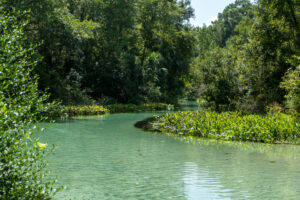
While the North Shore is now a popular recreation destination, its true origin lies in restoration. Most of the nearly 20,000 acres that make up the Lake Apopka North Shore was once a large sawgrass marsh along the lake. In 1941, these valuable wetlands were separated from the lake by a large levee and converted into muck farms. The nutrients from fertilizers and pesticides used on the farms contributed to Lake Apopka’s decline. In 1996, following direction from the Florida Legislature, the District purchased the muck farms to aid in the lake’s restoration. Since then, the District and its partners have made significant progress restoring water quality and habitat through marsh and floodplain restoration and by creating a marsh flow-way system that filters lake water through restored wetlands.
“The North Shore is a functional water restoration project that, fortunately, is compatible with recreation,” says Land Manager Ben Gugliotti. “The wildlife drive’s popularity and accessibility allow for more social interaction on the east side, while the west side offers more solitude.”
Today, the North Shore stands as a living example of large-scale restoration in action, improving the lake’s health while offering visitors a front-row seat to nature’s resilience.
Whether you’re a birder, photographer, hiker, biker or just want to explore, Lake Apopka North Shore offers something for everyone. Plan a visit today and see it for yourself!
Visit the District’s online recreation guide for a property map, driving directions and more: sjrwmd.com/lands/recreation/lake-apopka.