It’s early in the morning. The sun hasn’t risen yet, but farmers across Florida are already at work. They are monitoring crops, checking irrigation systems and making daily decisions that balance productivity with stewardship of the land.
National Agriculture Day, celebrated March 24, marks 250 years of agricultural progress under the theme “Agriculture: Together We Grow.”
The relationship between the St. Johns River Water Management District and agricultural producers is rooted in a shared goal: protecting the natural resources that sustain both farming and our communities. Many growers live on the land they farm, making water conservation and water quality not just environmental priorities, but personal and economic ones. Healthy land and clean water are essential to producing crops, supporting livelihoods and feeding the nation.
The District’s Agricultural Cost-Share Program helps bring this goal to life. By reimbursing up to 75% of project costs, the program makes innovative water-saving and nutrient-reducing technologies accessible, especially for family-owned farms.
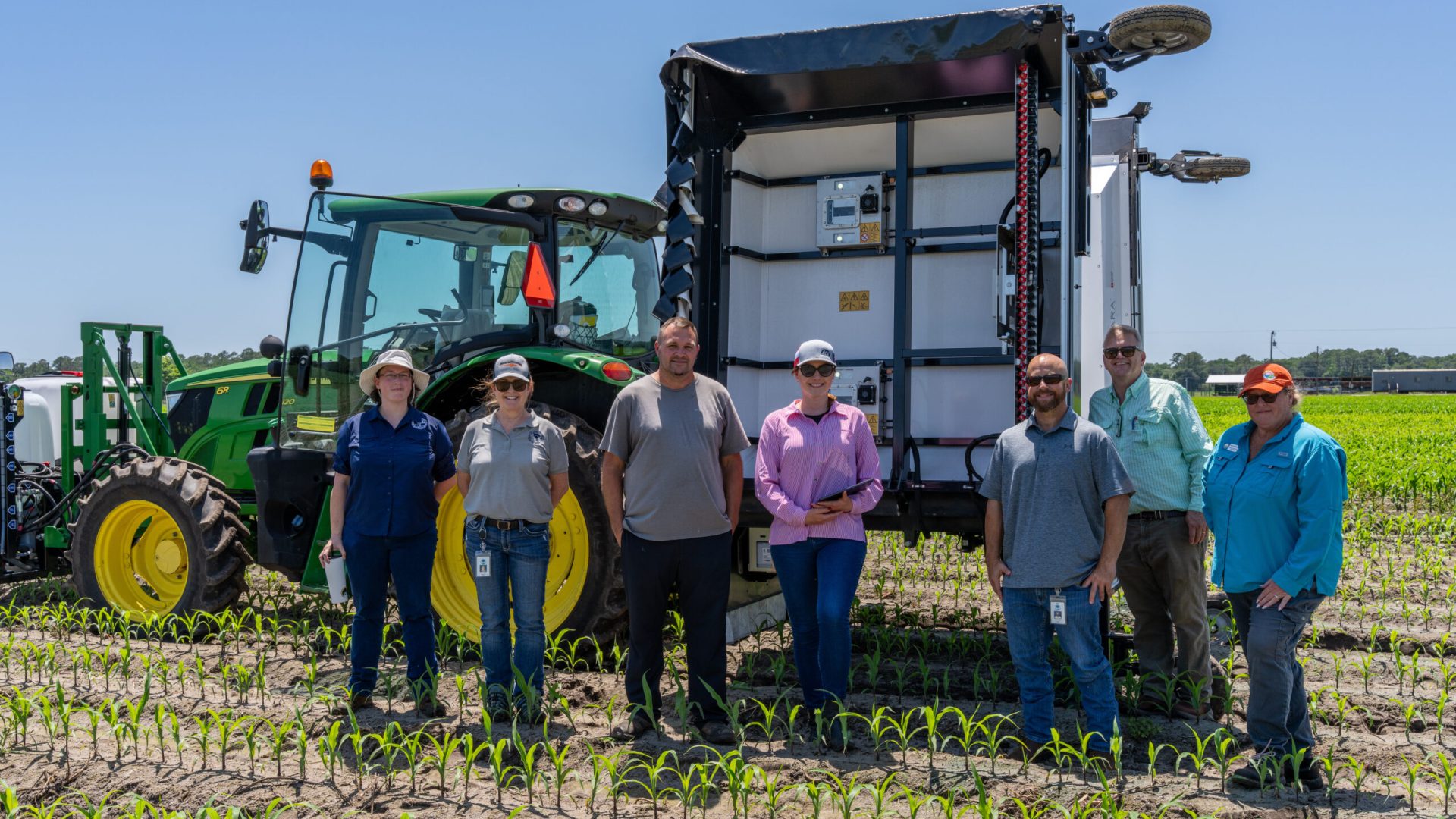
These projects include more efficient irrigation systems that can cut water use in half, automated pumps that prevent overwatering, and precision fertilizer equipment that ensures nutrients go directly to plant roots instead of nearby waterways. The District also works side by side with producers in the field, offering technical support and helping them navigate water use permitting.
That partnership often leads to practical, real-world solutions. In Lake County, a container nursery grower approached the District about drilling an additional well to support an expansion within the Central Florida Water Initiative area. Instead of pulling water from the Floridan aquifer, District staff identified an opportunity to use available surface water. While the grower initially had concerns, the District’s agricultural team worked closely with him, and he ultimately submitted an application for a system that included a surface water pump, soil moisture sensors and automated controls. While the system was being installed, one of the nursery’s existing wells failed. Rather than drilling a replacement well, the grower chose to expand the surface water system, further reducing his withdrawals from the Florida aquifer.
Since 2014, 331 projects have been funded with 137 cooperators, helping producers adopt practices that might otherwise be out of reach. The impact of this collaboration is significant. Over the past decade, these efforts have conserved over 20 million gallons of water per day and reduced total nitrogen by 676,433 pounds per year and total phosphorus by 132,850 pounds per year, which helps protect Florida’s springs, rivers and aquifer.
As agriculture continues to evolve, collaboration remains essential. Today’s farmers produce more food than ever before, feeding more people on less land, all while facing challenges like extreme weather and rising costs. By working together, the District and the agricultural community are helping ensure that farming remains sustainable and viable for generations to come.
“Farmers, ranchers and growers are passionate about the work they do. Most people have little idea about the challenges they face on a daily, monthly and yearly basis,” says Suzanne Archer, the District’s agricultural assistance technical program manager. “This year alone, freezes caused billions in losses across Florida, with some losing entire crops and others forced to replant at great expense. But they love their way of life and care deeply about their land, their communities and their role in feeding others.”
Archer says she’s proud to support that work through the District’s partnership with the agricultural community.
“Helping producers implement practices that conserve water and protect water quality is incredibly rewarding,” she says. “We’re not just supporting agriculture; we’re building long-term solutions that benefit both our natural resources and the people who depend on them.”
She encourages those considering new practices or technologies to explore the District’s Agricultural Cost-Share Program.
“The District is here to help,” she says. “It’s a true win-win; these projects protect our natural resources while reducing fertilizer and pumping costs for producers.”
This National Agriculture Day, we recognize the resilience, dedication and innovation of our agricultural producers and celebrate the partnerships that help protect our water resources while supporting the future of agriculture.
See our past stories