

Significant rainfall deficits continue despite Florida’s rainy season; water conservation remains critical
at
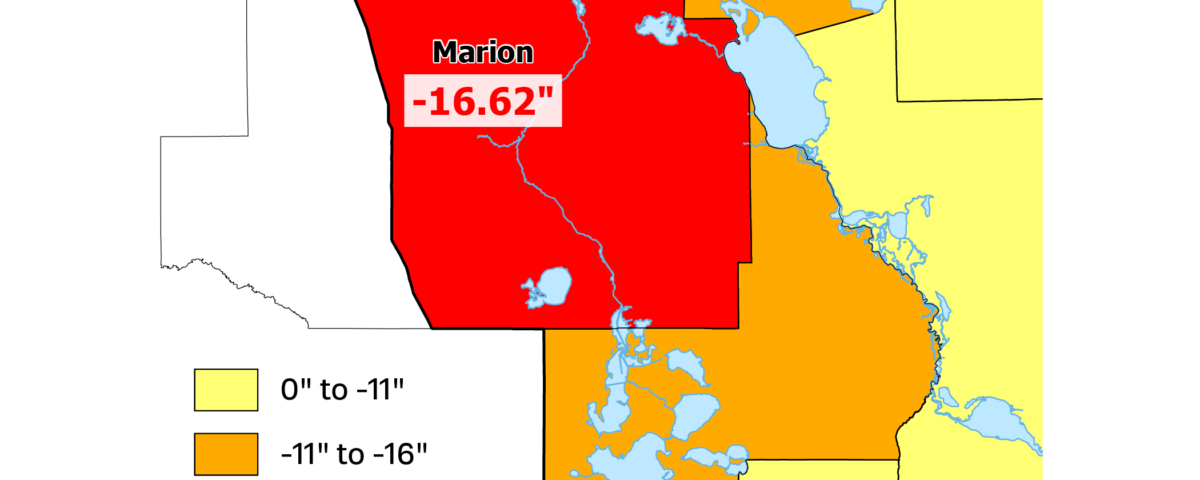
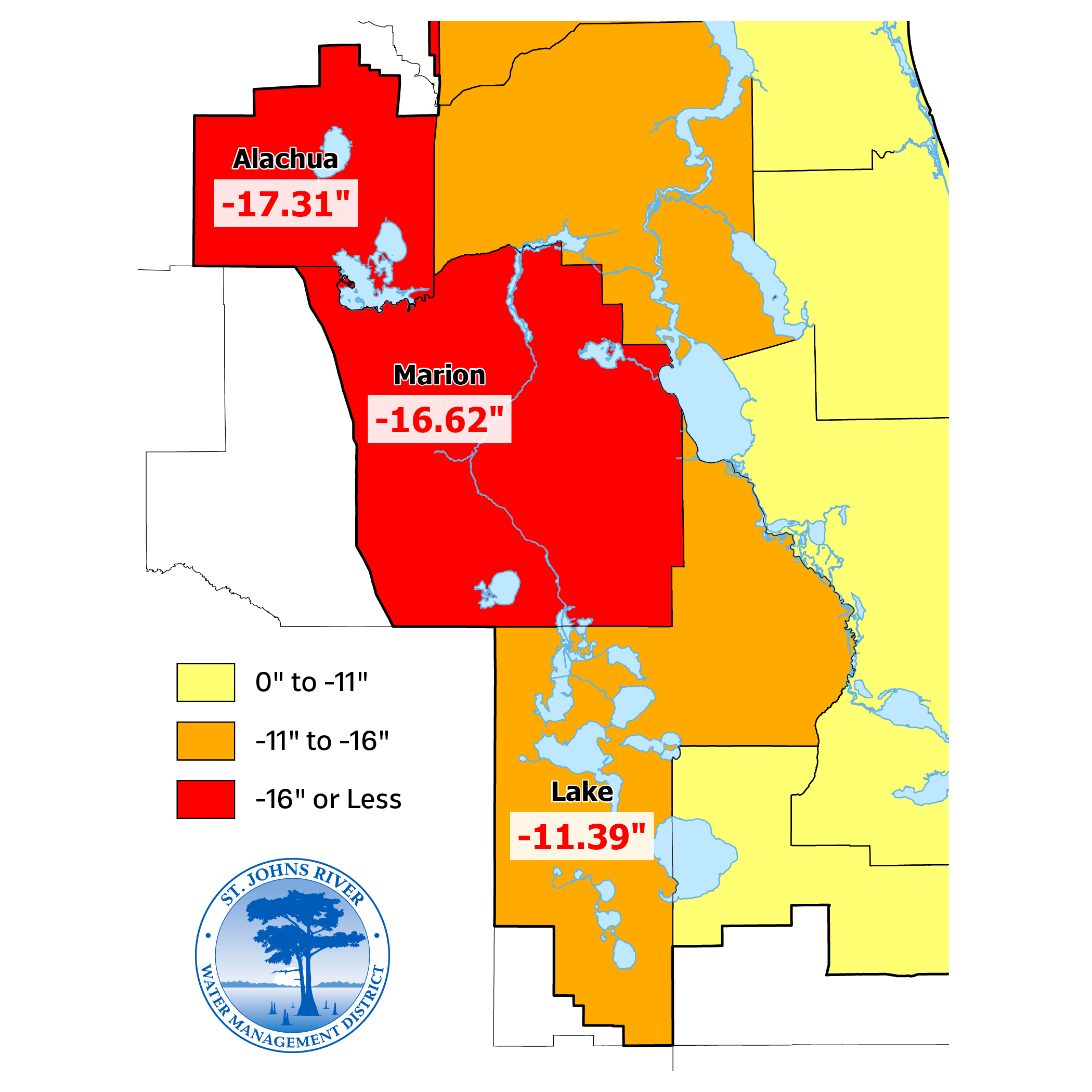
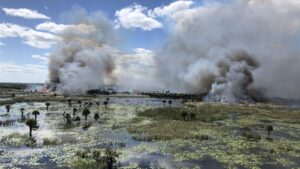
Florida typically relies on its summer rainy season to replenish water resources and help offset deficits that accumulate through drier times of the year. However, rainfall has remained below average during most of the past year across much of the District, allowing deficits to persist despite some recent storms.
While isolated storms can temporarily improve local conditions, it will take sustained periods of above-average rainfall across the region to replenish groundwater supplies, restore river flows and fully recover from the accumulated rainfall deficit. Until that occurs, water conservation remains one of the most important tools available to help protect water resources.
Conservation efforts remain especially important as the region continues working to recover from rainfall deficits that have accumulated over the past 12 months. Reducing water use today helps protect groundwater resources and ensures supplies remain available for residents, businesses, agriculture and the environment while the region waits for the consistent rainfall needed to close the deficit.
“The rainfall we’ve received recently is certainly welcome, but we’re still working to overcome deficits that have accumulated over the last year,” said District Director of the Division of Water Supply Planning and Assessment Clay Coarsey. “Florida’s rainy season plays an important role in helping replenish our water resources, but so far we haven’t seen enough widespread, above-average rainfall to make up the difference. That’s why conserving water remains so important as we continue to monitor conditions.”
Counties within the District continue to experience varying levels of drought recovery. As of Aug. 18, rainfall deficits across part of the Ocklawaha River Basin are over 15 inches below average, depending on location.
The District’s Phase III Extreme Water Shortage declaration remains in effect throughout the affected areas. The declaration was issued in response to prolonged drought conditions, declining groundwater levels and reduced surface water flows.
Mandatory restrictions remain in place, including:
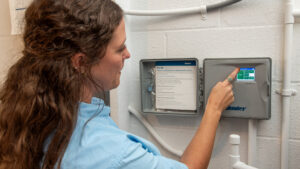
Outdoor irrigation continues to represent one of the greatest demands on potable water supplies. Residents are encouraged to verify that irrigation timers are set correctly to ensure that irrigation occurs only on their designated watering day and only during allowable hours. Irrigation systems should also be checked for leaks, and sprinklers should only water landscaped areas, not streets, sidewalks or driveways.
District staff continue to monitor rainfall totals, groundwater levels, river flows and other drought indicators to evaluate recovery and determine when water shortage restrictions can be modified or lifted.
To view the complete water shortage order, including detailed requirements for each water use category and water conservation tips, visit sjrwmd.com/wateringrestrictions.
Residents may occasionally see irrigation systems operating in public spaces such as parks, medians and common areas during the water shortage. In many cases, these systems use reclaimed water, which is a highly treated recycled water source that helps reduce demand on potable groundwater supplies. While conservation remains important across all water sources, some reclaimed water systems must continue operating to maintain system function or manage storage capacity.
To learn more about reclaimed water and its beneficial uses, visit https://floridadep.gov/water/domestic-wastewater/content/floridas-reuse-program.
To view current rainfall deficit information across the District, including county-specific data and downloadable high-resolution graphics, visit the District’s Media Library at www.sjrwmd.com/newsroom/media-library.